Views: 0 Author: Site Editor Publish Time: 2025-11-25 Origin: Site
Have you ever checked the label on a hair dye box and wondered what all those ingredients mean? Your scalp absorbs chemicals fast, so knowing what’s inside really matters. Many products claim to be “natural” or “organic,” but the truth can be confusing. In this post, you’ll learn how hair dye works, which ingredients to avoid, safer options, plant-based choices, and how gentle amino-acid formulas stand out.
Coloring your hair isn’t magic—it’s simple chemistry. Every permanent dye relies on a few key ingredients that work together to lift your natural color and replace it with a new one.
Image source: Wikipedia
Hydrogen peroxide is the “activator” in hair dye. It removes some of your natural melanin so new color can stick.
What it does:
Lightens your natural pigment
Creates space inside the hair for new color
Makes permanent color possible
Can dry out hair if used too often or in high volumes
Here’s a quick look:
| Function | How It Helps | Risk |
|---|---|---|
| Lightens melanin | Lets new pigments bond | Dryness, weakness |
| Opens hair for dye | Allows deeper color change | Can cause brittleness |
To get color inside the hair shaft, the cuticle needs to open. Two common ingredients do this job.

Image source: Wikipedia
Ammonia is strong and fast-acting. It raises the hair’s pH, forcing the cuticle open.
Key points:
Very alkaline (high pH)
Opens the cuticle aggressively
Has a sharp smell
Can cause irritation and protein loss
This is why some people feel burning or itching when using ammonia-based dyes.

Image source: Wikipedia
MEA is often used in “ammonia-free” dyes, but that doesn’t mean it’s perfect.
How MEA works:
Has little to no smell
Still raises the pH to open the cuticle
Gentler on the nose, but not always on the hair
Can stick to the hair and cause buildup if not rinsed well
Quick comparison:
| Ingredient | Smell | Strength | Irritation Risk | Rinse Difficulty |
|---|---|---|---|---|
| Ammonia | Strong | Very strong | Higher | Easy |
| MEA | Mild | Moderate | Medium | Harder |
After the cuticle opens and melanin is lightened, pigments move in to create your new shade.
How they work:
Pigment molecules start small
Once inside the hair, they “oxidize” and grow larger
These larger molecules get trapped, making the color last longer
Why darker shades use more PPD/PTD:
Brown and black tones need deeper, richer pigment
That often means more oxidative dyes
These ingredients are also common allergens, especially PPD
Allergy reminder:
PPD and PTD can cause itching, redness, and swelling for sensitive people, which is why patch tests are so important.
Some hair dye ingredients can do more harm than good, especially for people with sensitive skin. Here’s a simple breakdown of the chemicals you’ll want to watch for when choosing a safer color formula.

Image source: Wikipedia
PPD is one of the most common color molecules in dark dyes, especially black and brown shades.
Why it’s a problem:
One of the top hair dye allergens
Can cause swelling, redness, or dermatitis
Often linked to strong allergic reactions
PTD is often used as a “PPD-free” alternative, but it’s not risk-free.
What to know:
Still a sensitizing chemical
Can trigger reactions in people sensitive to oxidative dyes
Resorcinol helps create deeper tones, but it comes with concerns.
Key points:
Classified as a skin irritant
May disrupt hormones
Often found in permanent dye formulas
Ammonia lifts the cuticle fast, but the side effects are noticeable.
Common issues:
Strong, unpleasant smell
Causes scalp burning or itching
“Cuticle blast” can lead to frizz and long-term damage
These ingredients help preserve and stabilize products, but many people prefer to avoid them.
Why people avoid them:
Linked to hormone disruption
Becoming less common as brands move to “cleaner” formulas
Metallic salts show up in older or very cheap dyes, especially “progressive” men’s color.
Risks:
React badly with bleach or professional treatments
Can cause hair to heat, smoke, or snap
Metallic salt warning signs:
| Label Clue | Meaning |
|---|---|
| “Gradual color” | Often contains metallic salts |
| No bleach warning | A red flag |
These detergents clean well, but they can be too harsh for colored or sensitive hair.
Effects:
Strip natural oils
Fade your new color faster
Dry out the scalp
A preservative that’s been debated for years.
What to know:
Releases small amounts of formaldehyde
Can irritate sensitive skin
Listed by some brands as an ingredient to avoid
Not all hair dye ingredients are harsh—many are added to protect your hair, keep your scalp comfortable, and make color look healthier. These are the ingredients you want to see on a label.
Amino acid-based dyes are a gentle alternative to harsh alkaline systems.
Why they’re great:
No ammonia
Mild pH that respects the scalp
Less irritation than traditional formulas
More natural-looking color results
Penetrate gently without blasting open the cuticle
What this means for you: softer hair, calmer scalp, and a much nicer dyeing experience.
Coloring can weaken the hair’s natural structure, so proteins help fill in the damaged spots.
Common types:
Keratin
Hydrolyzed wheat protein
Benefits:
Strengthens weak areas
Boosts elasticity
Makes hair feel smoother and thicker
Plant oils bring moisture back into color-treated hair and keep strands from feeling brittle.
Popular options:
Argan oil: rich in Vitamin E for shine
Coconut oil: reduces protein loss during coloring
Avocado oil / Shea butter: deep moisture for dry hair
Quick comparison:
| Oil Type | Main Benefit |
|---|---|
| Argan | Shine + smoothness |
| Coconut | Strength + protein protection |
| Shea/Avocado | Heavy moisture |
These gentle extracts help balance the irritation caused by alkaline or oxidative ingredients.
Helpful plant ingredients:
Aloe Vera: calms redness and heat on the scalp
Chamomile: softens and brightens hair
Lavender: reduces irritation and adds a relaxing scent
Peppermint: boosts circulation for a fresher, cooling feel
Botanical extracts are widely used in modern “cleaner” formulas because they support the scalp during the coloring process.
Hydration matters—especially when dyes open the cuticle and remove moisture.
Top hydrating ingredients:
Glycerin: pulls water into the hair to keep it soft
Propylene glycol: helps dye pigments spread evenly
Panthenol is one of the most trusted conditioning agents in hair care.
Why it works well:
Adds a healthy shine
Helps hair feel softer
Strengthens the hair shaft from root to tip
Many hair dyes on the market use words like “natural,” “organic,” or “plant-based,” but these terms can be confusing. Not everything that sounds natural is truly free of chemicals, and not all synthetic ingredients are harmful. Here’s what these labels really mean.
A lot of products claim to contain “naturally derived” ingredients. This simply means the ingredient started from a natural source but was heavily processed.
What this looks like in real life:
A plant extract is chemically modified
A pigment is made in a lab but originally inspired by nature
A formula contains more water and plant juice than actual natural colorants
This is often called greenwashing—marketing a product as cleaner or safer than it really is. And because permanent hair dye needs oxidative pigments, truly 100% natural permanent color doesn’t exist.
Important note:
Permanent color always requires synthetic pigment technology to work.
There are real natural dyes, but they work very differently from standard permanent hair color. Natural pigments coat the hair rather than chemically changing it.
Henna is one of the oldest known hair dyes.
How it behaves:
Coats the hair shaft instead of penetrating it
Creates a natural red-orange tone
Strong conditioning effect that makes hair feel thicker
It’s long-lasting but difficult to remove or color over.
Indigo is often paired with henna to make darker shades.
How it’s used:
Applied after or mixed with henna
Helps achieve brown to deep black tones
Alone, it gives a blue tint, so it’s rarely used on its own.
Cassia, sometimes called “neutral henna,” provides shine without strong color.
Benefits:
Adds golden undertones on very light hair
Conditions hair without dramatic color changes
A gentle option for beginners who want a natural boost.
Some brands use blends of natural extracts—like herbs, flowers, or fruits—to tint the hair.
Examples from natural-focused brands:
Chamomile for soft yellow highlights
Walnut shells for brown tones
Beetroot or hibiscus for red tints
These options are gentle but usually don’t last as long and can’t lighten hair. They’re ideal for people avoiding harsh oxidative dyes.
Our product uses a gentler color technology that stands out from traditional chemical dyes. Instead of harsh alkaline agents, it relies on amino acids and soothing plant extracts to deliver color that feels comfortable from start to finish.
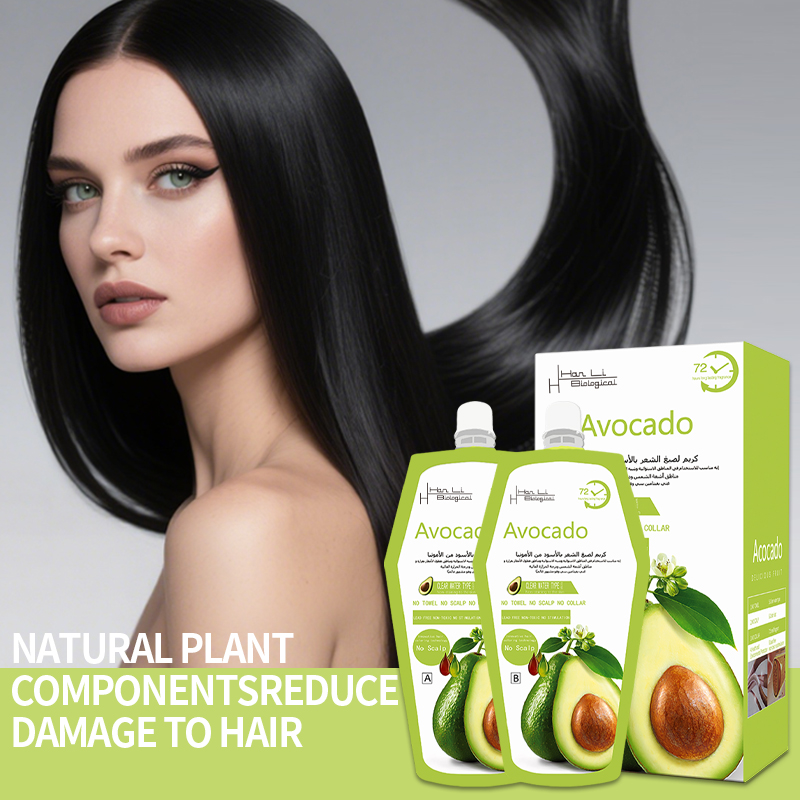
Amino acid-based dyes are designed to be kind to both the hair and scalp.
Why they’re different:
No ammonia, so there’s no strong smell
Uses a milder alkaline system that doesn’t “blast” the cuticle
Reduces irritation, even for people with sensitive skin
Leaves hair feeling softer after coloring
Creates natural-looking results without harsh chemical damage
This type of dye respects the hair structure, making it ideal for users who want color without the usual dryness or sting.
Your formula also includes a blend of calming plant extracts to support the scalp during coloring.
Key ingredients and benefits:
Aloe: cools and hydrates the scalp
Chamomile: calms irritation and softens hair
Lavender: reduces redness and adds a relaxing scent
Mint: boosts circulation for a fresh, cooling feel
These extracts work together to provide comfort, reduce itching, and leave the hair with natural shine.
| Botanical Extract | Main Benefit |
|---|---|
| Aloe | Hydration + soothing |
| Chamomile | Calming + brightness |
| Lavender | Reduces irritation |
| Mint | Cooling + circulation support |
This gentle system is perfect for people who want color without the harsh side effects.
Best for:
People with sensitive or easily irritated scalps
Frequent dyers who want to protect their hair long-term
Anyone who prefers low-odor, mild formulas
Users looking for soft, natural-looking gray coverage
People switching from harsh chemical dyes to something gentler
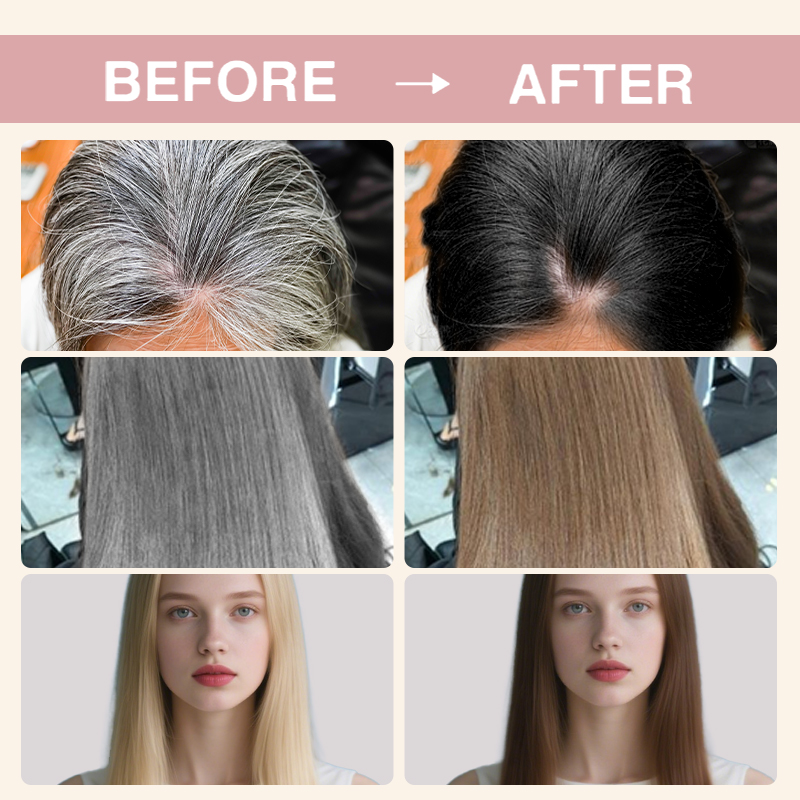
Beard dye isn’t just “regular hair dye in a smaller tube.” Facial hair and facial skin behave very differently, which means the ingredients need to be gentler, safer, and better suited for coarse textures.
The skin on your face is thinner and more reactive than the scalp. That’s why harsh chemicals that might feel fine on your head can sting, burn, or cause redness on your beard area. Beard dyes need milder ingredients to avoid irritation, especially around the mouth and jawline.
Beard hairs are thicker, tougher, and sometimes curlier than scalp hair. This means pigments need to penetrate dense strands—but without using strong ammonia or aggressive alkalizers.
Challenges with beard hair:
Coarse strands resist color
Uneven texture can cause patchy results
Sensitive facial skin limits the use of harsh chemicals
To balance thick beard hair and sensitive skin, the best beard dyes rely on gentle, calming ingredients.
Ideal beard dye ingredients:
Aloe Vera: reduces redness and soothes the skin
Chamomile: helps calm irritation and soften coarse hair
Plant oils (argan, coconut, sunflower): moisturize and help color spread evenly
Low-irritation pigment systems: avoid strong ammonia and minimize allergens like PPD
These ingredients help create a smoother application, better color absorption, and a much more comfortable dyeing experience for men.
Reading a hair dye label can feel overwhelming, but with a few simple steps, you can quickly understand what’s inside and whether it’s safe for you. Here’s how to decode it like a pro.
Ingredients are listed from highest to lowest amount.
The first five usually tell you what the product is really made of.
Look for:
Water (Aqua)
Conditioning agents
Alkalizers (ammonia or MEA)
Oils or moisturizers
Humectants like glycerin
If harsh chemicals appear at the top, that’s a red flag.
Most permanent dyes include a “Contains:” warning.
Common warnings include:
PPD (p-phenylenediamine)
PTD/TDS (toluene-2,5-diamine sulfate)
If you have sensitive skin or a history of allergies, pay close attention here.
Different preservatives have different safety profiles.
Examples:
| Preservative | What It Means |
|---|---|
| Parabens | Effective, but some people prefer to avoid them |
| Methylisothiazolinone | Potential allergen in sensitive users |
| DMDM Hydantoin | Releases formaldehyde |
| Phenoxyethanol | Often seen in gentler formulas |
A short, simple preservative list is usually a good sign.
Ingredient lists use INCI (International Nomenclature of Cosmetic Ingredients), which often sounds scientific.
Quick tips:
“Aqua” = water
“Cetearyl Alcohol” = fatty alcohol (good for hair)
“Lawsonia Inermis” = henna
“Toluene-2,5-Diamine” = PTD
Learning a few of these makes label reading much easier.
Brands sometimes use friendly-sounding labels that don’t mean much.
Watch out for vague terms like:
“Natural-based”
“Botanical formula”
“With organic extracts”
“Ammonia-free” (but contains MEA)
These phrases don’t guarantee the formula is safer—look at the real ingredient list instead.
Everyone’s scalp reacts differently, so match the ingredients to your needs.
Consider:
Do you react to PPD or PTD?
Do you prefer ammonia-free formulas?
Do botanical extracts (aloe, chamomile) matter to you?
Do you need low-odor or gentle-alkaline options?
Choosing the right dye becomes much easier when you focus on what your scalp and hair actually tolerate.
A: The safest hair dye ingredients are those that change your hair with the least damage and lowest allergy risk. This usually means plant-based pigments (like pure henna, indigo, and cassia) and non-oxidative direct dyes that don’t need strong developers. Gentler systems avoid harsh chemicals such as ammonia, PPD, and resorcinol, and instead use milder alkalizers, amino-acid–based systems, and lots of conditioning agents. “Safest” will also depend on your personal history—someone with a plant allergy might react to natural herbs but be fine with a simple semi-permanent salon gloss.
A: Hair dye doesn’t usually make the hair fall out at the root, but it can cause breakage and shedding if the formula is too harsh or used too often. Strong alkalizers (like ammonia or high levels of MEA) open the cuticle widely and can weaken the inner structure of the hair. Peroxides and persulfates used in lightening can dry and roughen the fiber, so damaged strands snap more easily when you brush or style. Allergic reactions to ingredients such as PPD can also inflame the scalp, and repeated inflammation may lead to temporary increased hair fall.
A: “Ammonia-free” sounds safer, but it’s not always simple. Many ammonia-free dyes replace ammonia with ethanolamine (MEA) or similar ingredients, which still raise the pH to open the cuticle. MEA has less smell and may feel gentler in the moment, but it can be harder to rinse out and may cause buildup and long-term dryness if heavily used. The real safety question is not only “ammonia or not?” but overall formula design: how strong is the alkalinity, how much peroxide is used, and how many soothing and conditioning ingredients are added to balance it.
A: Plant-based dyes—like henna, indigo, cassia, coffee, and herbal blends—are often kinder to the scalp and hair because they usually work by coating or lightly staining the surface, not by aggressively changing the hair’s internal structure. They can add shine and thickness and are great for people with chemical sensitivities. But they also have limits: they can’t lighten hair, shade choices are fewer, and some (especially henna + indigo mixes) can be difficult to remove or color over later. So they’re “better” for safety and conditioning, but not always better for flexibility and color control.
A: If you’re allergic to PPD, the first step is to avoid all oxidative dyes containing PPD or closely related ingredients and ask your doctor or dermatologist for guidance. Some people can tolerate PTD/TDS-based dyes (PPD alternatives), but many still react, so patch testing is crucial. Safer options often include 100% plant dyes like pure henna, indigo, and cassia, or semi-permanent direct dyes that don’t use PPD at all. Always read the “Contains” section on the box and never rely only on claims like “PPD-free” without checking the full ingredient list.
A: No. “Organic” hair dye brands are not chemical-free—everything, even water, is technically a chemical. In cosmetics, “organic” usually means some of the plant extracts or oils are grown without certain pesticides and may be certified by an organic body. The actual coloring agents in permanent dyes are almost always synthetic oxidative dyes, because that’s what is needed to create lasting color and gray coverage. Organic branding can mean a cleaner base and more natural conditioning ingredients, but it doesn’t remove the need for lab-made pigments or alkalizers.
A: Most hair dyes are a mixture of key ingredient types rather than one main ingredient. Typically you’ll see water (aqua), an alkalizer (ammonia or MEA), a developer (hydrogen peroxide in a separate bottle for permanent dyes), and the dye precursors (like PPD, PTD, and other aromatic amines). Around those, brands add conditioners, oils, thickeners, preservatives, and fragrance so the product is stable and comfortable to use. Reading the first five ingredients on the label usually tells you what makes up the bulk of the formula.
A: Some hair dye chemicals can be irritating or sensitizing, especially with long-term or repeated use. Ingredients like PPD, resorcinol, strong ammonia, and certain preservatives are linked in the literature to allergic reactions, skin irritation, and, in some cases, hormone-related concerns. That doesn’t mean every use is dangerous, but it does mean it’s smart to limit exposure to the harshest substances, patch test regularly, and choose formulas that skip or reduce these high-risk ingredients. Many modern brands now design dyes that avoid several of these “problem” chemicals while still giving good color results.
A: The only truly 100% natural hair dyes are pure plant powders like henna (Lawsonia inermis), indigo, cassia, and certain herbal blends with no synthetic additives. These are just dried, ground plants—no lab-made pigments, no developer, and no added preservatives if they’re authentic. In contrast, even brands that call themselves “natural” or “herbal” often mix plant extracts with synthetic dye molecules to get stronger, longer-lasting results.
A: The healthiest dyes strike a balance between performance and gentle ingredients. Typically, that means low-peroxide, ammonia-free or low-ammonia formulas that avoid PPD, resorcinol, and harsh sulfates, and include nourishing ingredients like oils, proteins, and botanical extracts. For many people, plant-based powders or semi-permanent direct dyes are the healthiest choice, because they don’t rely on strong chemical reactions inside the hair shaft. The “healthiest” option will also depend on your hair goals—lightening several levels always comes with more damage than simply deepening or matching your natural shade.
A: Many hairdressers dislike box dye because it’s designed as a one-size-fits-all formula, often using strong pigment loads and higher developer strengths so it “works” on many hair types. Over time, repeated use can lead to uneven color layers, very dark ends, and damage, especially on fine or previously colored hair. Salon color can be customized to your starting level, hair history, and condition, using milder strengths where possible. Also, box shades often don’t match the swatch when applied over real hair, which makes corrective work more difficult and expensive later.
A: If by “no chemicals” you mean no synthetic or lab-made substances, then your options are basically pure herbal dyes such as henna, indigo, cassia, and certain single-plant powders. These still involve chemical reactions (all natural substances are chemicals), but they’re not synthesized in a factory. Any product that is permanent, lifts your natural color, or promises dramatic transformations uses synthetic ingredients at some level.
A: You can soften or hide grey hair without using standard chemical dye. Options include tinted shampoos and conditioners, temporary color sprays or powders, root mascaras, and colored hair wax. You can also play with haircuts and styling—for example, blending greys into highlights, or using styling products that reduce contrast. Herbal rinses (like black tea or coffee) may darken hair slightly, but their effect is usually mild and washes out.
A: Traditionally, many people in India use henna to color and condition their hair, often mixing it with indigo to achieve browns and blacks. Herbal ingredients like amla (Indian gooseberry), hibiscus, and bhringraj are also popular in oils and masks to support hair health and deepen tone. Modern users may combine these herbal methods with commercial dyes, but the cultural base of plant-based coloring remains very strong.
A: No modern product in a bottle or tube is completely free of chemicals—even if it’s natural, it still contains chemical substances. The closest you can get to “no added synthetic chemicals” is using raw plant powders, like pure henna or cassia mixed with water or herbal tea at home. Anything pre-mixed, preserved, or sold as “ready-to-use” must contain other ingredients to stay safe and stable.
A: Instead of focusing on brand names, it’s smarter to focus on ingredients. Avoid products that rely heavily on high levels of PPD, strong ammonia, resorcinol, metallic salts, and harsh preservatives if you have sensitive skin or fragile hair. Check if the brand is clear and honest about its ingredients and provides allergy warnings and patch test instructions. Brands that emphasize ingredient transparency, publish full INCI lists, and avoid known high-risk chemicals are generally safer choices.
A: The healthiest way is to minimize damage while still reaching your color goal. That usually means choosing darker or similar shades instead of very light ones, using lower developer strengths, and spacing out coloring sessions. You can also pick formulas with conditioning agents, plant extracts, and gentle alkalizers and follow up with regular deep conditioning. For some people, switching to semi-permanent glosses or plant-based dyes is the best long-term strategy.
A: Black and very dark permanent dyes are the hardest to remove, especially if they contain lots of PPD or similar pigments. These molecules lodge deep inside the cortex and are very resistant to washing out, so removing them often requires strong bleach and multiple sessions, which can seriously damage the hair. Intense reds can also be stubborn, but black tends to be the most challenging in color correction work.
A: Pure henna for hair is legal in the US. The problem is with so-called “black henna” used for skin tattoos, which often contains high levels of PPD to create a dark stain. That mixture can cause severe allergic reactions and scarring, so it’s not approved for direct skin application. For hair, real henna without added PPD or metallic salts is allowed and commonly sold.
A: The main natural hair colors are usually counted as black, dark brown, medium brown, light brown, blonde, red, and white/grey. All other shades you see—like rose gold, ash silver, or bright blue—are created with artificial color. Your exact natural color depends on the type and amount of melanin in your hair shaft.
A: Different Native American tribes used various natural materials to change or deepen hair color, often for ceremony or symbolism. Common sources included walnut hulls, bark, roots, berries, clay, and charcoal, sometimes mixed with animal fat or oils to help the color stick. The results were usually subtle shifts—darker, richer, or slightly toned—rather than the dramatic shade changes we see with modern chemical dyes.
A: When you dye your hair, some ingredients can pass through the top layers of the skin, especially on the scalp, which is more absorbent than many other areas. However, for most people and normal use, only small amounts of dye ingredients enter the body, and they are processed and removed over time. The bigger concern is local reactions like irritation or allergy at the application site. That’s why patch tests and limiting exposure to strong sensitizers like PPD are so important.
A: Most research suggests that occasional use of hair dye—especially after the first trimester—is unlikely to pose a major risk, but many doctors still recommend being cautious. Safer choices include semi-permanent dyes without ammonia and with lower peroxide, or plant-based options like henna. It’s also wise to avoid breathing in strong fumes, wear gloves, and keep the product off the scalp when possible. Always discuss concerns with your doctor or midwife before coloring during pregnancy.
A: The most damaging dyes are those that combine strong alkalizers, high-volume peroxide, and heavy oxidative pigment loads—for example, very lightening blonde kits or deep black permanent dyes with high PPD. These formulas open the cuticle wide, dissolve natural pigments, and can strip structural proteins from the hair. When used repeatedly or improperly, they can leave hair brittle, porous, and difficult to manage.
A: For permanent dyes, many professionals recommend limiting full-head applications to every 6–8 weeks at most, which equals about 6–8 times per year, and often fewer if your hair is fragile. Root touch-ups are less stressful than recoloring the whole length each time. Semi-permanent or plant-based dyes can usually be used more often, because they don’t lift the natural color as aggressively.
A: The best “chemical-free” options—if we mean no synthetic ingredients—are pure henna, indigo, cassia, and other single-plant powders with nothing added. When chosen carefully from reputable sources, they offer true natural color with conditioning benefits. Just remember, they can’t provide dramatic lightening, and some combinations are very long-lasting, so you should be confident about the shade before committing.
A: Yes, you can dye completely unprocessed (virgin) human hair, and it often takes color very well because the cuticle hasn’t been damaged by past treatments. However, the usual rules still apply: strong lightening can cause dryness and breakage, and repeated coloring will slowly change the hair’s condition. Testing a small strand first helps predict the result and prevent surprises.
A: To dye your hair at home in the healthiest way, choose mild formulas and plan carefully. Pick shades close to your natural color instead of very light or very dark jumps, follow timing instructions exactly, and avoid overlapping dye on already-colored lengths. Look for at-home kits that highlight gentle ingredients (like oils, proteins, botanical extracts) and skip harsh ones (high PPD, strong ammonia). Always do a patch test and follow up with deep conditioning to restore moisture.
A: Pure henna powder, made only from the dried leaves of the Lawsonia inermis plant, is 100% natural. The key is making sure it doesn’t contain added PPD, metallic salts, or extra synthetic dyes, which sometimes appear in cheap or “instant” henna products. For safe use, buy from trusted suppliers that clearly label their henna as body-art quality or pure hair henna with no additives.
Understanding hair dye ingredients helps you choose safer, healthier options. No formula is completely chemical-free, but you can avoid the major “Toxic 8” and pick dyes made with gentler, plant-powered ingredients. Put your scalp’s comfort first, read labels carefully, and always do a patch test before coloring.


