Views: 0 Author: Site Editor Publish Time: 2025-11-25 Origin: Site
Walking down the hair care aisle can feel overwhelming—so many colors, shapes, and boxes competing for attention. Hair dye packaging today goes far beyond a simple carton. In this post, you’ll learn how modern tubes, foamers, refill packs, and luxury boxes shape brand value and help products stand out.
Hair dye packaging has come a long way from simple tubes and bottles. Today’s market is filled with formats designed for different formulas, user habits, price levels, and branding styles. Whether you’re creating a premium salon line or an affordable drugstore kit, understanding these packaging formats will help you choose the right one for your product.
Cream and gel dyes are the most common types of hair color, and they rely on packaging that keeps the formula stable while making application easy.
Aluminum tubes remain the industry’s top choice for permanent and professional hair dyes.
They offer:
Exceptional oxygen barriers, protecting formulas sensitive to air
A structure that collapses smoothly, preventing air from re-entering the tube
Long-term stability, ideal for ammonia-based formulas or plant extracts that oxidize easily
Why brands choose it:
Aluminum ensures the formula stays potent from the factory to the final squeeze.
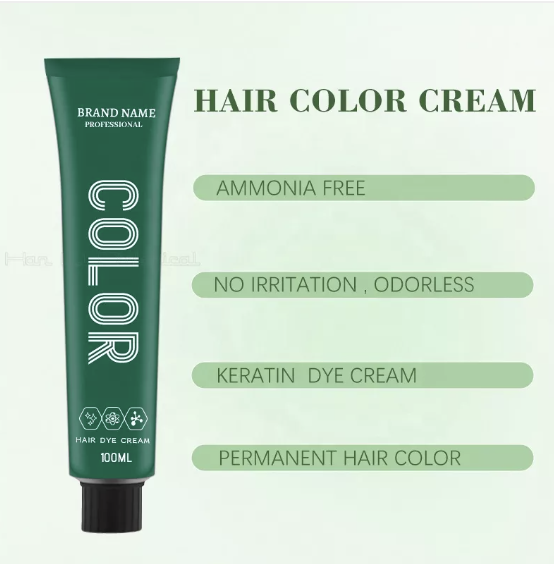
These modern, flexible tubes offer visual appeal and comfort during use.
Support matte, glossy, or soft-touch textures
Allow high-resolution printing, perfect for detailed branding
Return to shape after squeezing, giving a premium “memory effect”
Best suited for ammonia-free, gentle, or conditioning formulas, where barrier protection and premium visuals matter.
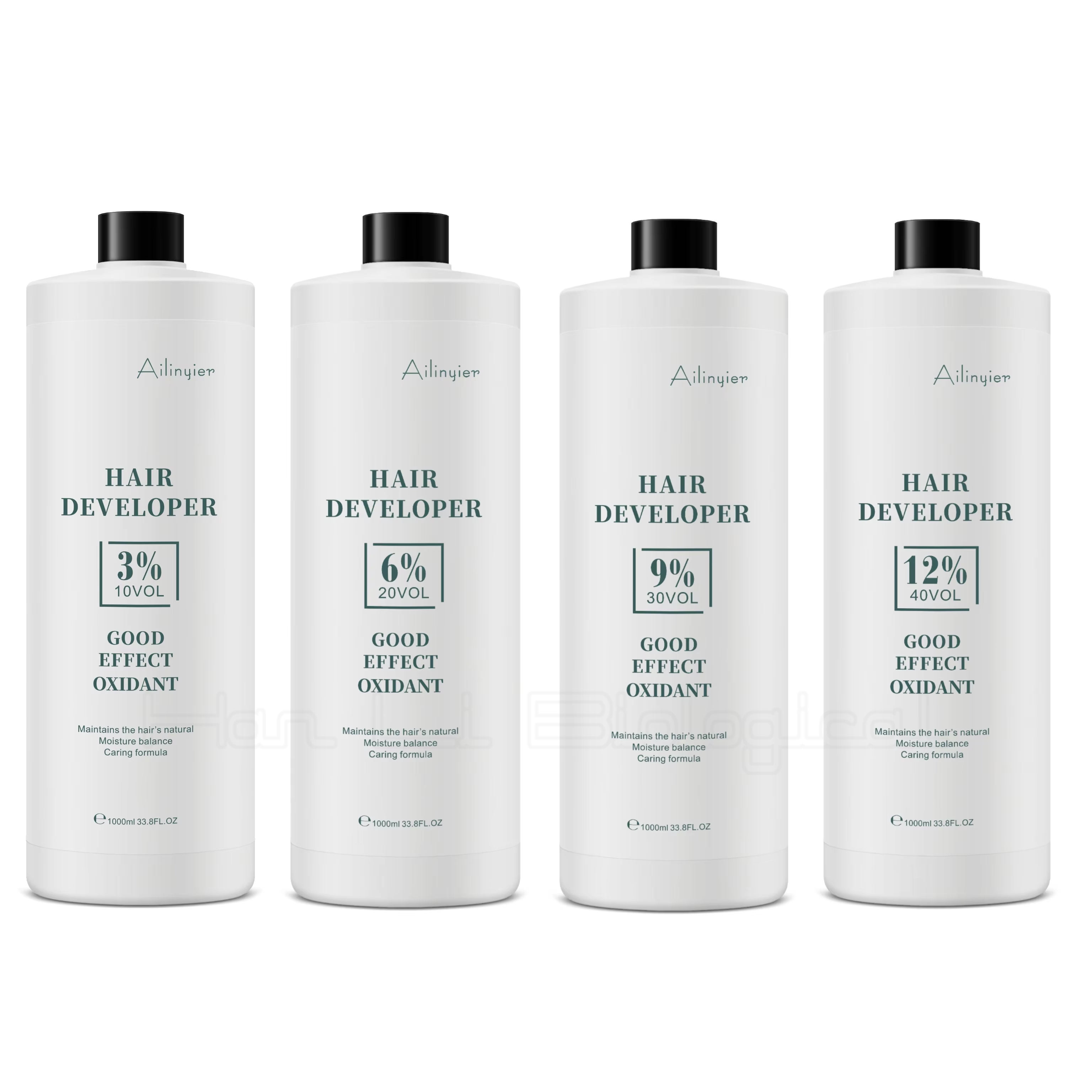
Developer bottles play a key role in mixing two-part color systems.
Easy to shake, squeeze, and dispense
Can be designed with different shapes for grip and control
Often used as the main mixing container in at-home dye kits
These bottles make the mixing process less intimidating for new users.
Foam-based hair dyes have become popular due to their ease of use. They deliver a less messy, more controlled application—especially helpful for beginners.
Widely used in Asian markets known for “bubble hair dye.”
Turn liquid formulas into rich, cloud-like foam
Help users apply color evenly from root to tip
Reduce dripping, making the process cleaner and faster
Ideal for teens, first-time color users, or anyone who prefers a simple experience.
Often used for temporary color or root touch-up sprays.
Provide instant coverage
Designed for fast drying and high precision
Require safe pressure valves and metal canisters
Perfect for travel, quick fixes, or extending time between salon visits.
These formats are designed to make hair coloring easier, faster, and more intuitive—especially for touch-ups.
A favorite for root coverage products.
Built-in comb teeth deliver dye directly to the roots
Reduce the need for separate brushes
Help control dosage and spread color evenly along part lines
This format is especially popular for root touch-up and men’s beard or hair color.
A smart solution for formulas that require separation until the moment of application.
Two compartments keep components fresh and stable
Blend instantly when pumped
Perfect for men’s color products, which prioritize speed and simplicity
These are excellent for “mix-free” or “one-pump” marketing claims.
Sustainability is one of the strongest trends in beauty packaging, and hair dye is no exception.
A lightweight, eco-friendly alternative that reduces plastic use.
Use up to 70% less plastic than traditional bottles
Reduce shipping weight and carbon footprint
Can be paired with a refillable pump or bottle
An ideal choice for brands promoting green values or refill stations.
Suitable for powder dyes or single-use treatments.
Often used in henna, herbal blends, or conditioner boosters
Compact, affordable, and easy to ship
Support low-waste routines for environmentally conscious customers
These sachets also work well for sampling programs or salon starter kits.
Creating a great hair dye kit is about more than simply putting a tube and a bottle in a box. The best kits feel intuitive, safe, and premium—before the customer even touches the product. That means choosing materials that protect the formula, designing packaging that elevates the unboxing moment, and ensuring every detail reflects the brand’s identity.
The inner packaging is the first line of defense for formula stability. Hair dye is sensitive to air, light, pH changes, and contamination, so material choice directly affects shelf life and performance.
Aluminum Tubes
Aluminum remains the most reliable packaging for permanent or oxidative dyes.
It prevents oxygen from touching the formula, which is essential for ammonia-based or high-reactivity formulas.
It collapses smoothly as the product is squeezed, stopping air from being drawn back inside.
Ideal for brands prioritizing performance and long-term color consistency.
PE Laminated Tubes
For more gentle formulas or conditioning creams, PE tubes offer both protection and design flexibility.
Suitable for mild, ammonia-free formulas that don’t require extreme oxygen barriers.
Provide a modern feel with excellent flexibility and shape-memory.
Allow vibrant printing and brand visuals that stay bright even after repeated squeezing.
Primary packaging also serves as a communication tool—helping users feel confident and informed.
Choose between matte (soft-touch, natural, upscale) or bright/glossy (bold, youthful) textures.
Print exact brand colors on the tube so recognition stays strong even after the box is discarded.
Add clear instructions, icons, and safety notices, so first-time users never feel unsure during application.
Tip: Clear tube labeling reduces customer errors and returns while improving user trust.
Once the inner packaging is secured, the next step is crafting an outer box that attracts attention, communicates benefits, and enhances the unboxing experience.
For most mass-market hair dyes, simple but efficient folding cartons work best.
Tuck-end folding cartons are lightweight, stackable, and cost-effective—perfect for retail shelves.
Easy to customize with shade charts, ingredient highlights, and brand personality.
This format is ideal for everyday dye lines where accessibility and affordability matter most.
For luxury lines or influencer kits, upgrading the box structure can transform the product into an experience.
These boxes slide open like a jewelry case.
Create a slow, elegant “reveal” that builds excitement.
Offer space for multiple accessories, special edition shades, or hair care add-ons.
Perfect for high-value, natural, or botanical lines aimed at premium shoppers.
These rigid boxes close with a satisfying magnetic snap.
Signal luxury and durability instantly.
Ideal for limited editions, professional salon kits, and prestige retail launches.
Often repurposed by customers—boosting brand visibility long after purchase.
Finishes can dramatically change the perception of a box.
Bronzing foil (foil stamping): draws the eye with metallic shine and highlights keywords like “Natural” or “Ammonia-Free.”
UV relief (spot UV): adds glossy, raised accents to textures, strands of hair, or brand logos.
Embossing/Debossing: creates tactile depth and enhances the premium, handcrafted feel.
Using a combination of these finishes helps products stand out in a crowded aisle and reinforces brand positioning.
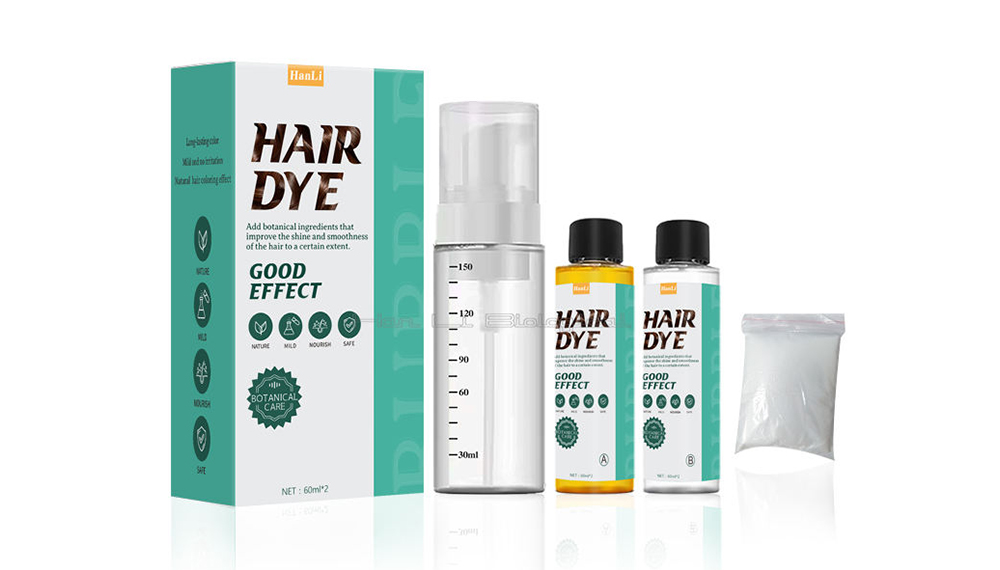
A complete hair dye kit does more than provide color—it delivers a full, worry-free experience for the customer. The right accessories make the process easier, cleaner, and more professional, especially for first-time users. This is why modern hair dye packaging goes beyond tubes and bottles, offering a curated set of tools that elevate the entire dyeing ritual.
The quality of the accessories inside a kit can make or break the user experience. Cheap gloves or missing tools can frustrate customers, while a well-equipped kit builds trust and encourages repeat purchases.
Gloves are essential not just for cleanliness, but for skin safety.
Nitrile gloves offer a snug, salon-grade fit and resistance to tearing.
Plastic gloves provide a lightweight, budget-friendly option for single-use kits.
High-quality gloves instantly make a kit feel more premium.
Small but extremely helpful. They protect sensitive skin from accidental staining and reduce irritation from ammonia formulas.
Different dye textures require different tools.
Combs help distribute gel or liquid dyes evenly at the roots.
Brushes work well with cream formulas for precise application.
Including both tools adds versatility, especially in full-coverage kits.
A shower cap helps maintain warmth, improve color penetration, and keep dye off clothing while the formula develops. It also signals that the brand has thought through the complete user journey from start to finish.
How you package the accessories is just as important as the tools themselves. It influences hygiene, shelf appeal, and the customer’s first impression when opening the kit.
Each accessory can be wrapped separately for a cleaner, more hygienic presentation.
Individually sealed sachets keep gloves, caps, and brushes fresh and uncontaminated.
Prevents the “loose tools rattling in the box” effect.
Helps customers easily identify each item when they begin the dyeing process.
This approach works especially well for brands selling in retail stores where presentation matters.
A more premium approach involves designing a structured interior to hold every item securely.
Custom paperboard inserts or blister trays prevent movement during shipping.
Ensures that tools stay neatly arranged for a refined unboxing moment.
Ideal for luxury lines, PR gift sets, and influencer collaborations.
Integrated packaging turns a standard hair dye kit into a professional, salon-grade experience—one that customers are more likely to share on social media.
Packaging should visually communicate what’s inside the box long before a customer reads the ingredient list. When the design matches the formula’s purpose and benefits, shoppers instantly understand who the product is for—and why it’s the right choice. This alignment strengthens brand trust, improves shelf appeal, and helps customers make confident purchasing decisions.
When a dye formula is clean, gentle, or botanical-based, the packaging must express these values at a glance.
Design cues that reinforce “natural” positioning include:
Earthy color palettes
Shades like beige, sage green, terracotta, and muted browns evoke nature, purity, and plant-derived ingredients.
Matte or soft-touch finishes
These surfaces feel organic and premium, signaling mildness and simplicity.
Botanical illustrations
Leaves, flowers, or watercolor-style plants help highlight ingredients such as aloe, chamomile, or henna.
Highlighting key claims in UV-relief
Phrases like “Natural,” “Plant-Based Formula,” “No Ammonia,” or “Vegan-Friendly” can be emphasized using raised spot-UV for an eye-catching, tactile effect.
This type of design creates emotional reassurance—especially for customers with sensitive scalps or for those seeking clean beauty solutions.
Dyes formulated for high gray/white coverage require a different visual strategy. These buyers are typically focused on results, reliability, and ease of use.
Effective design elements include:
Strong contrast colors
Bold blacks, deep burgundies, or rich golds help communicate intensity and long-lasting performance.
Clear “Before/After” visuals
Showing realistic coverage results helps older consumers feel more confident about choosing the shade.
Mature, trustworthy visual identity
Clean serif fonts, structured layouts, and minimal clutter help the product feel dependable rather than trendy.
These design cues speak directly to customers who value performance over novelty.
Even though customers can’t smell the product through the box, smart visual design can help communicate the fragrance profile and overall sensory experience.
How to match scent with design:
| Fragrance Profile | Visual Style | Ideal For |
|---|---|---|
| Fruity (Lemon, Peach) | Bright citrus colors, fresh yellow/orange gradients | Youthful, playful dye lines |
| Floral (Rose, Jasmine) | Soft pinks, delicate illustrations, elegant typography | Romantic, feminine, calming formulas |
| Fragrance-Free | Minimalist layout, clean whites, clinical-blue accents | Derm-sensitive or medical-grade positioning |
Customers often associate color and artwork with smell and experience. Thoughtful sensory design helps them know exactly what to expect—even before opening the package.
Great hair dye packaging doesn’t just showcase the product—it should also reflect the formula and sensory experience inside. For brands working with private-label or OEM/ODM manufacturing, customization is one of the strongest ways to stand out in a crowded market. From the chemistry to the aroma, every detail can be tailored to match your branding, target audience, and price positioning.
Different consumers look for different benefits, and your formula should match those expectations. Modern hair dye manufacturing allows brands to create targeted solutions for specific demographics, hair types, and product claims.
Common formula directions include:
Plant-Based Dye Systems
Ideal for natural or botanical-focused product lines. These formulas often include herbal pigments, mild alkalizers, and a nourishing base that appeals to clean-beauty shoppers.
Ammonia-Free Options
Perfect for consumers who prefer low-odor, gentle coloring systems. These formulas rely on alternatives like MEA while still offering strong color payoff.
High-Coverage White Hair Formulas
Designed for mature customers who prioritize full, even coverage. Often paired with pearlized or professional-looking packaging.
Progressive Dye Systems
Great for men’s or beard color, these formulas darken gradually with repeated use and prevent over-processing.
Adjustable pH (5.5–9.0)
Being able to tweak pH allows you to target different hair needs—from gentle, scalp-friendly formulas to stronger lift and penetration.
Nourishing Add-On Ingredients
Brands can boost their formulas with premium additives such as:
Keratin for strength
Moroccan oil for smoothness and shine
Amino acids for cuticle repair and softness
These add-ons are especially appealing for marketing claims like “damage repair,” “moisture-rich,” or “strengthening care.”
Hair dye is intensely visual, and shade customization is often what defines a brand's identity. Creating a cohesive and recognizable color system gives customers confidence and encourages shade loyalty.
Customization options include:
Access to a full shade library with natural tones, cool ashes, reds, fashion shades, and custom blends.
Brand-specific development, allowing you to create exclusive shades not available anywhere else.
Sample or batch confirmation, ensuring the final product matches your exact color expectations before mass production.
Brands can build entire shade families—warm, cool, smoky, vibrant—to craft a signature look in the marketplace.
Fragrance may not affect color performance, but it dramatically shapes the user’s emotional experience. A pleasant scent can make dyeing feel less like a chore and more like a beauty ritual.
Available fragrance paths include:
Fruity scents (Lemon, Peach)
Bright, uplifting profiles often used in younger or trend-focused hair dye lines.
Floral scents (Rose, Jasmine)
Soft, elegant aromas ideal for premium or spa-inspired ranges.
Fragrance-free
Best for sensitive scalps, medical-grade positioning, or clean-beauty products.
Fragrance intensity can also be customized, typically ranging from:
0.1% — very mild
0.5% — balanced, pleasant
1.0% — stronger, perfume-like experience
This level of control allows your brand to find the perfect balance between sensory enjoyment and scalp comfort.
Hair dye packaging doesn’t end with tubes, bottles, and gift boxes—how the product travels through the supply chain is just as important. A well-designed outer carton protects the product, reduces breakage rates, supports e-commerce durability, and helps brands meet growing sustainability expectations. This stage is where practicality meets responsible packaging design.
For wholesale, export, or online shipping, the master carton is the final line of protection. Corrugated cartons are the most reliable option because they balance strength, weight, and cost efficiency.
Key features of effective master cartons include:
Custom-sized corrugated boxes
A snug fit reduces movement inside the carton and prevents crushing during transport. Custom sizing also improves pallet usage and lowers shipping costs.
Moisture-proof icons and handling symbols
Printed indicators (like “Keep Dry,” “Fragile,” “This Side Up”) help warehouse teams handle the cartons correctly, especially during international transit or humid weather conditions.
Stack warnings and structural guidance
These markings reduce the risk of over-stacking in storage facilities or shipping containers—protecting the internal packaging from deformation.
Where these cartons matter most:
B2B shipments to distributors, cross-border e-commerce fulfillment, and bulk salon orders all rely on durable, clearly marked outer cartons to maintain product quality.
As sustainability becomes a core buying factor in beauty, many retailers and consumers expect brands to commit to responsible packaging choices. Your outer packaging can play a major role in demonstrating that commitment.
Common sustainability options include:
FSC-certified paperboard
Ensures the cardboard comes from responsibly managed forests. Many major retailers now prefer or require FSC labeling for ethical sourcing.
Recyclable outer packaging
Corrugated cartons and kraft-based boxes can be designed for 100% recyclability, reducing long-term environmental impact.
Low-VOC inks & adhesives
Using vegetable-based inks and eco-friendly adhesives minimizes chemical emissions and improves recyclability—an attractive selling point for eco-conscious consumers.
Clear eco claims to build trust
Icons such as “Recyclable,” “FSC Certified,” “Low-Impact Ink,” or “Sustainable Packaging” reassure customers that the brand is aligned with modern environmental values.
Sustainability isn’t just a trend; it’s now part of the brand story. By combining protective logistics with environmentally responsible materials, hair dye packaging becomes both durable and desirable.
A: Plastic tubes can work for mild or ammonia-free formulas, but they aren’t ideal for true permanent dyes. Permanent color is highly sensitive to oxygen, and most plastic tubes don’t provide enough barrier protection. Aluminum tubes remain the safest choice because they are airtight, collapse without pulling air back in, and protect oxidative formulas from degradation.
A: A developer bottle holds the oxidizing agent—usually hydrogen peroxide—that activates the dye. Users squeeze the color from the tube into the bottle, shake to blend, and then apply the mixture through the nozzle. The bottle’s shape, grip, and squeeze strength all influence how easy the process feels, especially for first-time users.
A: Yes. Brands can choose FSC-certified paperboard, recyclable PE tubes, kraft cartons, refill pouches that reduce plastic use by up to 70%, and low-VOC inks and adhesives. Eco labels such as “Recyclable,” “FSC Certified,” or “Low-Impact Ink” can also be printed to communicate sustainability.
A: Absolutely. Full-service hair dye kits can include gloves, mixing bowls, applicator brushes, combs, ear protectors, and shower caps. These can be individually sealed for hygiene or arranged inside a custom insert for a clean, professional unboxing experience.
A: Foil stamping highlights key claims like “Ammonia-Free” or “Natural.” Spot UV relief creates shine and texture that catch the eye under store lighting. Embossing and debossing add depth and a premium tactile feel. Soft-touch matte laminations work especially well for natural or botanical lines.
A: Use custom-sized corrugated master cartons with moisture-proof icons and stack warnings. Add dividers or protective inserts for delicate components like magnetic boxes. Packaging should be tested for drops, vibrations, and compression to meet the demands of warehouse handling and last-mile delivery.
A: Magnetic clamshell boxes typically have higher MOQs due to manual assembly and premium materials. Most manufacturers start between 1,000 and 3,000 units per size or design. Higher quantities ensure consistent color, alignment, and quality across the production run.
A: Yes. Mold development allows brands to create unique shapes for developer bottles, dual-chamber pumps, or comb-applicator bottles. The process includes 3D modeling, prototyping, formula compatibility testing, and final tooling. Although mold creation requires upfront investment, it gives long-term brand differentiation.
A: The four main packaging layers are:
Primary packaging (tubes, bottles)
Secondary packaging (retail boxes, gift boxes)
Tertiary packaging (outer cartons for shipping)
Accessory packaging (inserts, trays, sachets for tools)
A: A complete kit typically includes a color tube, developer bottle, gloves, an applicator comb or brush, ear protectors, and a shower cap. It may also include a mixing bowl, instruction leaflet, or integrated insert that organizes all items neatly inside the box.
A: Good hair dye packaging protects the formula, clearly shows the shade, and makes the application process simple. It should be durable for shipping, visually attractive on shelves, easy to open, and aligned with the brand identity. Sustainable materials and accurate shade printing also improve customer trust.
A: Gen Z gravitates toward eco-friendly, minimalist designs with bold color blocking and clear ingredient claims. They love refillable systems, biodegradable materials, and packaging that photographs well for TikTok or Instagram. Authenticity and sustainability are key for this demographic.
A: Warm, high-contrast colors—such as red, orange, and gold—grab attention quickly. However, color choice must match the formula’s positioning: earthy tones suit natural lines, bold blacks suit gray-coverage products, and pastels appeal to younger trend-focused consumers.
A: The 4 C’s are:
Contain – safely hold and protect the product
Communicate – explain features, benefits, and usage
Convenience – ensure ease of use and handling
Cost – balance affordability with quality
Hair dye packaging must perform well in all four areas.
A: Packaging must meet six standards: protection, safety, communication, convenience, aesthetics, and sustainability. It should keep the formula stable, provide clear instructions, look appealing, be easy to open and use, and minimize environmental impact.
A: The four R’s widely used in beauty packaging are:
Reduce material consumption
Reuse through refillable formats
Recycle with mono-material or paper-based solutions
Replace harmful materials with eco alternatives
Refill pouches, FSC cardboard, and recyclable tubes all support these principles.
Great hair dye packaging is more than a container—it shapes your brand’s value, customer experience, and price perception. Whether you use aluminum tubes or premium magnetic boxes, every choice tells a story about your product. To succeed in 2025, brands must blend formula, packaging, sustainability, and unboxing into one strategy. Partner with us to create your fully customized hair dye line today.


